Blog

  • Tips on Selecting the Ideal Pet for Your House and Way of Life

    Tips on Selecting the Ideal Pet for Your House and Way of Life

    Bringing a new pet into your home is one of the most rewarding experiences life can offer. Animals provide companionship, unconditional love, and endless entertainment. However, a mismatch between a pet’s needs and an owner’s lifestyle can lead to frustration, stress, and in the worst cases, rehoming. Finding the perfect companion requires an honest look at your daily routine, living spaces, and long-term commitments.
    Before falling in love with a pair of puppy-dog eyes or a gentle purr at a local shelter, take a step back and evaluate how a pet will fit into your life. Here is a comprehensive guide to help you make an informed, sustainable choice for both you and your future companion.

    1. Evaluate Your Daily Schedule and Time

    Time is perhaps the most critical factor when choosing a pet. Different animals—and even different breeds—require wildly varying levels of attention, training, and exercise.

    • High Time Commitment: Dogs, especially puppies and high-energy working breeds (like Border Collies or German Shepherds), require hours of daily interaction. This includes walking, training, socialization, and play. If you work long hours away from home, a young dog may struggle without a dedicated dog walker or daycare.
    • Moderate Time Commitment: Adult cats, small mammals (like rabbits or ferrets), and some older dogs are often content with a few hours of interaction and care each day. They value your presence but are typically more independent during working hours.
    • Low Time Commitment: Reptiles, fish, and birds still require specialized, consistent habitat maintenance, but they do not rely on human interaction for emotional well-being or daily physical exercise in the same way mammals do.

    2. Analyze Your Living Space and Environment

    Your physical home dictates what kind of animal can comfortably thrive there. Consider your physical layout, proximity to neighbors, and outdoor accessibility.

    The Apartment vs. House Dynamic

    While it’s a misconception that large dogs can never live in apartments, it does mean the owner must commit to multiple daily outdoor excursions. If you lack a secured yard, you become your dog’s primary source of outdoor activity. Conversely, indoor cats, small rodents, or a beautifully aquascaped fish tank can fit perfectly into compact urban living spaces without altering your spatial layout.

    Renting vs. Owning

    If you rent, check your lease agreement thoroughly before making plans. Many landlords place strict limits on pet types, weights, or specific breeds. Additionally, consider how easily you can move to a new rental with your pet in the future.

    A Note on Noise and Neighbors: Living in close proximity to others means considering your community. Highly vocal birds, barking-prone hound dog breeds, or nocturnal animals that run on wheels all night might cause friction with shared walls.

    3. Understand the Financial Commitment

    The initial adoption fee or purchase price of a pet is only a small fraction of the lifetime cost. A realistic budget is essential to ensure you can provide proper care.

    Expense CategoryOngoing Regular CostsUnexpected / Occasional Costs
    Diet & NutritionHigh-quality food, daily fresh greens, specialized pellets, or supplements.Prescription diets for medical issues or allergies.
    HealthcareAnnual vet checkups, vaccinations, flea/tick/heartworm preventatives.Emergency veterinary care, accidents, illness management, senior care.
    Lifestyle & GearLitter, toys, grooming tools, scratching posts, crates, or enclosures.Professional grooming services, boarding fees during travel, professional training.

    4. Match the Pet’s Energy to Your Own

    Be entirely honest about your personal activity levels. If you are a self-proclaimed homebody who loves weekend movie marathons, adopting a high-strung, energetic pet with the expectation that it will force you to become an avid runner rarely works out well.

    Match your reality, not your aspirations. If you love long hikes, an active canine companion is an incredible match. If your ideal evening involves curling up with a book, a mature cat or a low-energy dog breed will fit seamlessly into your routine.

    5. Long-Term Commitment and Life Shifts

    Animals live for a significant portion of our lives. Dogs typically live 10–15 years, cats frequently reach 15–20 years, and some birds or reptiles can live for decades. Consider what your life might look like in 5 or 10 years. Are you planning on changing careers, moving countries, or expanding your human family? Choosing a pet means promising to carry them through those transitions safely.

    Making Your Final Decision

    Take your time. Visit shelters, speak with reputable rescue groups, and talk to owners of the specific species or breed you are considering. If you are still unsure, look into fostering. Fostering a pet through a local rescue organization is an excellent, low-risk way to test how an animal fits into your home and lifestyle while providing a vital service to an animal in need.

  • A Vision of Simple Joy: Children, the Outdoors, and a Devoted Dog

    A Vision of Simple Joy: Children, the Outdoors, and a Devoted Dog

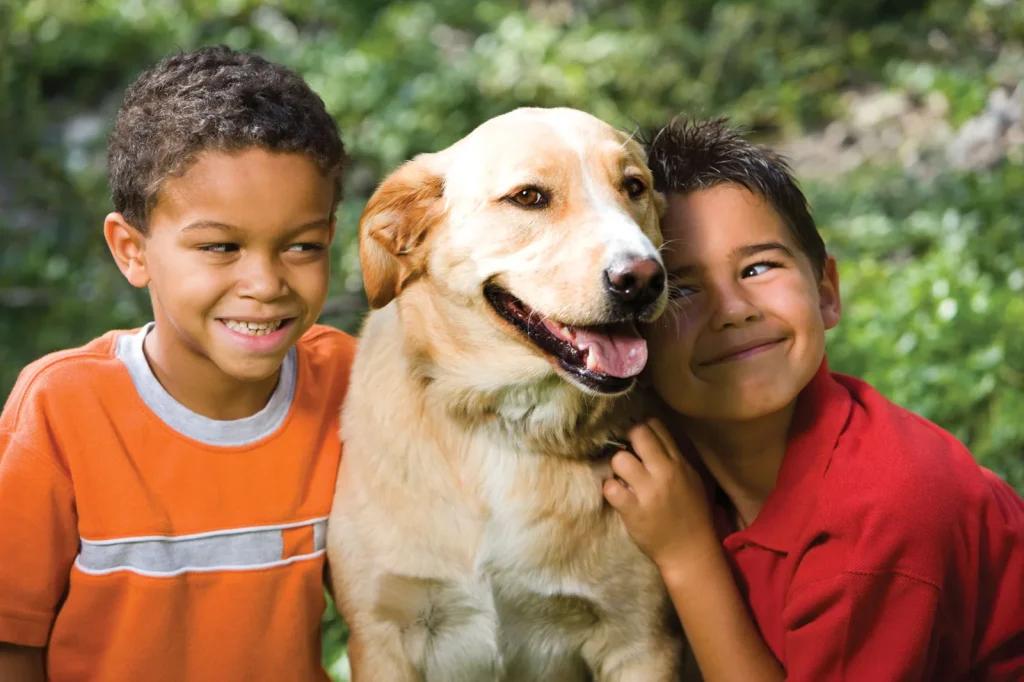
    Some photographs capture more than a moment — they capture a feeling. This image of two cheerful boys cuddled beside their dog is a perfect example of that kind of magic. Surrounded by the beauty of nature, the trio radiates warmth, friendship, and the carefree happiness of childhood.

    In today’s fast-moving digital world, moments like these feel especially meaningful. No screens, no distractions — just laughter, sunshine, and the comfort of being together outdoors. The boys’ smiles reflect the kind of happiness that can’t be staged. Their dog sits proudly between them, calm and content, almost as if it understands it belongs exactly where it is.

    Dogs often become childhood heroes in quiet ways. They wait patiently after school, join every backyard adventure, and offer comfort without needing to say a single word. For children, a dog can feel like both a protector and a best friend. Whether running through parks, playing fetch, or simply sitting side by side, these shared experiences create memories that last for years.

    Nature adds another layer of beauty to the scene. The soft greenery in the background creates a peaceful atmosphere that highlights the innocence of the moment. Outdoor experiences with pets can help children build confidence, stay active, and develop a stronger appreciation for the world around them.

    What makes this picture so powerful is its authenticity. Nothing feels forced. The connection between the boys and their dog is natural, built on trust and affection. It reminds us that some of life’s greatest treasures are not expensive or complicated — they are found in companionship, loyalty, and shared joy.

    As adults, we often look back on childhood and remember the simple things most clearly: summer afternoons, scraped knees, endless laughter, and the family dog who was always nearby. This photograph beautifully reflects those timeless memories.

    At its heart, this image tells a story about friendship — the kind that asks for nothing except love, attention, and time together. And sometimes, that’s exactly what makes a moment unforgettable.